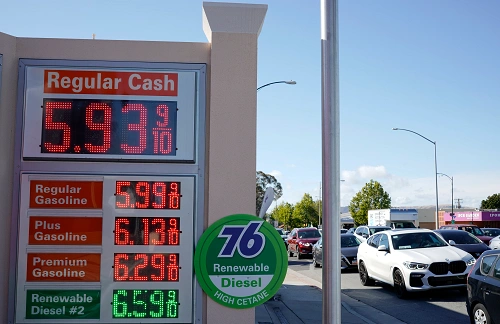
Pull into almost any gas station in California, and the shock is immediate. Prices that hover around $3 in much of the country routinely cross $4, $5, or even higher here. For many drivers, it feels unfair. For newcomers, it feels unbelievable. And for longtime residents, it has become an uncomfortable part of daily life.
California doesn’t just lead the nation in beaches, tech innovation, and entertainment — it also leads in fuel prices. Year after year, the state sits at or near the top of national rankings for gasoline costs. Even when global oil prices fall or other states see relief at the pump, California often remains stubbornly expensive.
This isn’t random. It’s not simply greed by gas stations. And it’s not caused by a single policy or event.
California’s high gas prices come from a layered system built over decades: strict environmental standards, heavy fuel taxes, climate programs that put a price on carbon, shrinking refinery capacity, and the logistical challenge of supplying a massive population with a unique gasoline blend. Each factor adds a few cents — sometimes a lot more — and together they create one of the most expensive fuel markets in the world.
Let’s break down the real reasons behind California’s costly gas.
Strange gasoline blends raise costs
California requires a special, low-emission gasoline formula controlled by the California Air Resources Board (CARB). That fuel burns cleaner but costs more to produce. Refineries must run extra processing steps and maintain specialized equipment. Many out-of-state refineries can’t easily make this blend, limiting competition and raising wholesale prices before gas even reaches stations.
Taxes and state fees are among the highest in the U.S.
California drivers pay some of the highest fuel taxes nationwide. State excise taxes, sales taxes, and environmental fees stack directly onto every gallon. These funds support roads and climate initiatives, but they also guarantee higher prices at the pump compared to almost every other state.
Climate programs add a carbon premium
Programs like cap-and-trade and the Low Carbon Fuel Standard are designed to reduce emissions. They work by attaching a cost to carbon and rewarding cleaner fuels. Refiners and suppliers must buy credits or invest in cleaner operations — expenses that flow straight into gasoline prices.
Shrinking refinery capacity makes supply fragile
Over the past decade, California has lost refining capacity as companies shut down or convert facilities. Strict regulations and high operating costs make expansion unattractive. With fewer refineries producing CARB fuel, even routine maintenance or minor outages can cause sudden price spikes.
Isolation makes imports expensive
California can’t easily import standard U.S. gasoline because it doesn’t meet CARB rules. When supply tightens, the state must bring fuel from faraway markets, including Asia. Shipping costs and blend conversions add more dollars per barrel — and drivers feel it immediately.
Distribution and retail costs add the final layer
Urban density, trucking expenses, and terminal fees increase distribution costs. Retail stations also face higher rents and labor costs, especially in metro areas. These factors push prices even higher once gasoline reaches consumers.
The bottom line
Gas is expensive in California because the state chose cleaner air, aggressive climate policy, and strong regulatory standards — all of which carry real financial costs. Add high taxes, limited refining capacity, and geographic isolation, and you get a built-in premium that rarely disappears.
These policies have delivered environmental benefits. But they’ve also made California gasoline uniquely expensive — and unless major structural changes occur, drivers should expect that reality to continue.