Walking into a grocery store and seeing a dozen eggs priced at $6, $8, or even more is a shock for many Californians. Eggs are a staple — something people expect to be affordable — yet California’s prices have climbed far above the national average. That’s not just inflation. It’s a mix of state animal welfare laws, supply shortages from disease outbreaks, rising production costs, and limited supply options that all push prices higher here than in most other states.
Let’s unpack the main reasons California’s egg prices feel so steep.
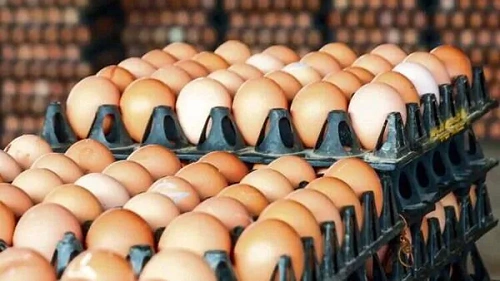
Stricter Animal Welfare Laws Increase Costs
California voters passed Proposition 12 in 2018, a law that requires all egg-laying hens whose eggs are sold in the state to be raised with more space and better living conditions — essentially cage-free systems. Producers had to retrofit barns and change their operations to meet these higher standards. That’s expensive. Farms faced major construction and labor costs, and the changes became mandatory for all shell eggs sold in California starting in 2024.
These rules don’t just affect farms inside California. Eggs from out of state also have to meet the same standards to be sold here. That limits how much producers outside the state can compete, reducing the number of suppliers and keeping prices higher.
Avian Flu Has Slashed Supply
A major driver of high egg prices nationwide — and especially in California — has been repeated outbreaks of avian influenza (bird flu). Highly pathogenic strains of the virus have forced producers to cull millions of egg-laying hens to prevent spread. Fewer hens mean fewer eggs. With demand steady but supply down, prices respond by rising.
Some recent reports showed prices at grocery stores shooting up toward $9 per dozen or more — a huge jump from normal levels — largely because of this supply shock.
California Produces Less Than It Consumes
California doesn’t grow all the eggs it needs. It produces only about 60–70 % of what its residents consume, so it must import the rest. That means eggs travel long distances, and transportation costs add up. Combine that with Prop 12 compliance, and the cost of imported eggs rises even more.
Feed, Energy, and Operating Costs Are Higher
Like any farming operation, laying hens need feed, shelter, and energy for lighting and climate control. Feed is often the biggest expense for egg producers, and global commodity prices for corn and soy — major chicken feed components — have fluctuated due to climate events and market pressures. California also tends to have higher energy and labor costs, which further raise the cost of producing eggs.
Consumer Preferences Add Up
Beyond the legal requirements, consumer demand for organic, free-range, or specialty eggs has grown. Those products cost more to produce and sell, and they often dominate the market shelves. That boosts the average price shoppers see, even if some conventional options exist.
Shortages Hit Restaurants and Businesses Harder
It’s not just households feeling the pinch. Restaurants and bakeries that rely heavily on eggs have reported difficulties and rising costs because eggs are harder to source and more expensive. Some have had to raise menu prices or change recipes as a result.
The Bottom Line
Eggs cost so much in California because of a perfect storm of regulations, supply shocks, higher production costs, and limited supply options all striking at once. Stringent animal welfare laws like Proposition 12 have pushed producers into more expensive systems. Avian influenza outbreaks have cut supply. Feed and energy costs are up. And California still imports a significant share of its eggs under strict standards.
None of these factors work alone — they combine into a situation where the price tag on a simple dozen eggs keeps inching higher at the grocery store.