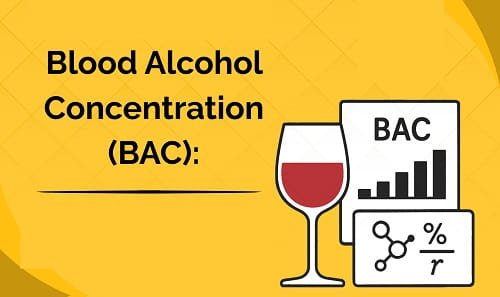
In California, the legal blood alcohol concentration (BAC) varies depending on who is driving. Most adults know the familiar 0.08% limit, but that number doesn’t apply to everyone, and it doesn’t guarantee safety from arrest. California treats driving under the influence as a threat to public safety no matter the amount of alcohol involved. That means a driver can be charged with DUI below 0.08% if the officer believes the person is impaired. The state uses multiple BAC limits to separate ordinary drivers, underage drivers, commercial drivers, and people on DUI probation. Understanding these limits can prevent life-changing penalties, license suspensions, and costly criminal consequences.
The Standard BAC Limit for Adults
For drivers 21 and older, the legal limit is 0.08% BAC. If someone reaches or exceeds this number, the state automatically treats it as a DUI, regardless of whether the person “feels fine.” California follows a “per se” rule, which means the number alone is enough evidence for prosecution.
Importantly, being below 0.08% does not guarantee legality. If someone’s driving shows signs of impairment (such as swerving or delayed reaction), they can still be arrested with a BAC as low as 0.05% or even lower. Officers base DUI decisions on behavior and sobriety tests, not just the BAC result.
BAC Limit for Drivers Under 21
California enforces a Zero Tolerance Law for underage drivers. Anyone under 21 years old must follow a 0.01% BAC limit. The state considers any detectable alcohol a violation, even from a sip at a party or alcohol left in the mouth from strong cough syrup. If an underage driver is caught with alcohol in their system, they can face license suspension, fines, education programs, and insurance consequences. The law is strict because drivers under 21 are not legally allowed to drink at all.
Commercial Driver BAC Limit
Drivers operating commercial vehicles—such as buses, semi-trucks, construction vehicles, and certain delivery trucks—have a stricter limit of 0.04% BAC. California applies this rule because commercial vehicles carry heavier risks to the public. Even if the driver is off duty, the 0.04% standard applies while they are behind the wheel of a commercial vehicle.
A single DUI can destroy a commercial driving career. Convictions often lead to a long-term or permanent loss of commercial licensing, making professional drivers more vulnerable to legal consequences than ordinary motorists.
BAC Limit for Drivers on DUI Probation
Anyone who has previously been convicted of DUI is placed on probation. During probation, the legal BAC limit is also 0.01%, similar to underage drivers. If a driver on probation has even a trace of alcohol, they can face penalties that are harsher than a first-time DUI offender. This rule is meant to prevent repeat offenses and discourage even moderate drinking before driving.
Drug DUIs: No BAC but Still Illegal
California does not only punish alcohol impairment. Drivers can be arrested for DUI due to:
- Marijuana
- Illegal drugs
- Prescription medication
- Over-the-counter drugs
Unlike alcohol, there is no set legal limit for marijuana or prescription medications. Officers judge impairment through observation, roadside tests, and blood or urine analysis. Some people mistakenly assume cannabis is safe to drive on because it’s legal to use recreationally. In California, legal use does not equal legal driving.
Refusing a BAC Test Can Make the Situation Worse
California’s Implied Consent Law requires drivers who are lawfully arrested for DUI to take a breath or blood test. Refusing can lead to:
- Longer license suspension
- Harsher penalties in court
- Higher fines
- Loss of the right to certain restricted licenses
Refusing does not avoid a DUI charge; it simply makes penalties more severe.
Conclusion
The legal BAC in California depends on who is behind the wheel. The general limit is 0.08% for adults, but commercial drivers must stay below 0.04%, and anyone under 21 or on DUI probation must remain at 0.01% or effectively zero. Additionally, the state can still arrest drivers below 0.08% if they show signs of impairment. California’s approach is simple: safety first. If alcohol or any substance affects judgment or reaction time, it’s safer—and far cheaper—not to drive.